The South African government bodies tasked with investigating and prosecuting apartheid-era political crimes must face closer public scrutiny and take stronger action to fast-track long-overdue justice for victims’ families and survivors, writes Katarzyna Zdunczyk.
CSVR | CENTRE FOR THE STUDY OF VIOLENCE AND RECONCILIATION
Browsing
Securing peace in Tigray requires a return to the core promises of Ethiopia’s transitional justice policy, namely restoring displaced communities, ensuring accountability, ending foreign military presence, and fostering inclusive governance, writes Deborah Banketa.
A former French colony, Chad gained independence in August 1960. François Tombalbaye, leader of the Progressive Party (Parti Progressiste Tchadien, or PPT), became the first elected president of Chad. Shortly after, Tombalbaye dissolved all political parties, except the PPT, and by 1963 Chad was a one-party state. The PPT leadership, like the Chadian army, were...
For a long time after its independence from France in August 1960, the West African country of Côte d’Ivoire enjoyed relative political and economic stability. Félix Houphouët-Boigny became the country’s first prime minister and, when his party won all the parliamentary seats, he became president. Houphouët-Boigny would go on to win the presidential election for a record...
A former Belgian colony, the Democratic Republic of the Congo gained its independence on 30 June 1960. Following its independence, the country was first named the Republic of the Congo-Léopoldville, differentiating it from the neighbouring territory of the Republic of the Congo-Brazzaville. With the passing of the Luluabourg Constitution on 1 August 1964, the country...
Ethiopia’s socio-political and economic crises are rooted in patronage and historically antagonistic ethnic, religious, and political relations. In 1895, Italy invaded Ethiopia, ensuing the first Italo-Ethiopian War. On 1 March 1896, Ethiopia overcame the invasion and won the war at the Battle of Adowa.[1] On 23 October 1896, the two warring parties signed the Treaty...
Integrating a transitional justice approach into climate finance negotiations and provision can help rectify historical wrongs, ensure fair distribution of resources, and support vulnerable populations in adapting to and mitigating the impacts of climate change, writes Augustine Njamnshi.
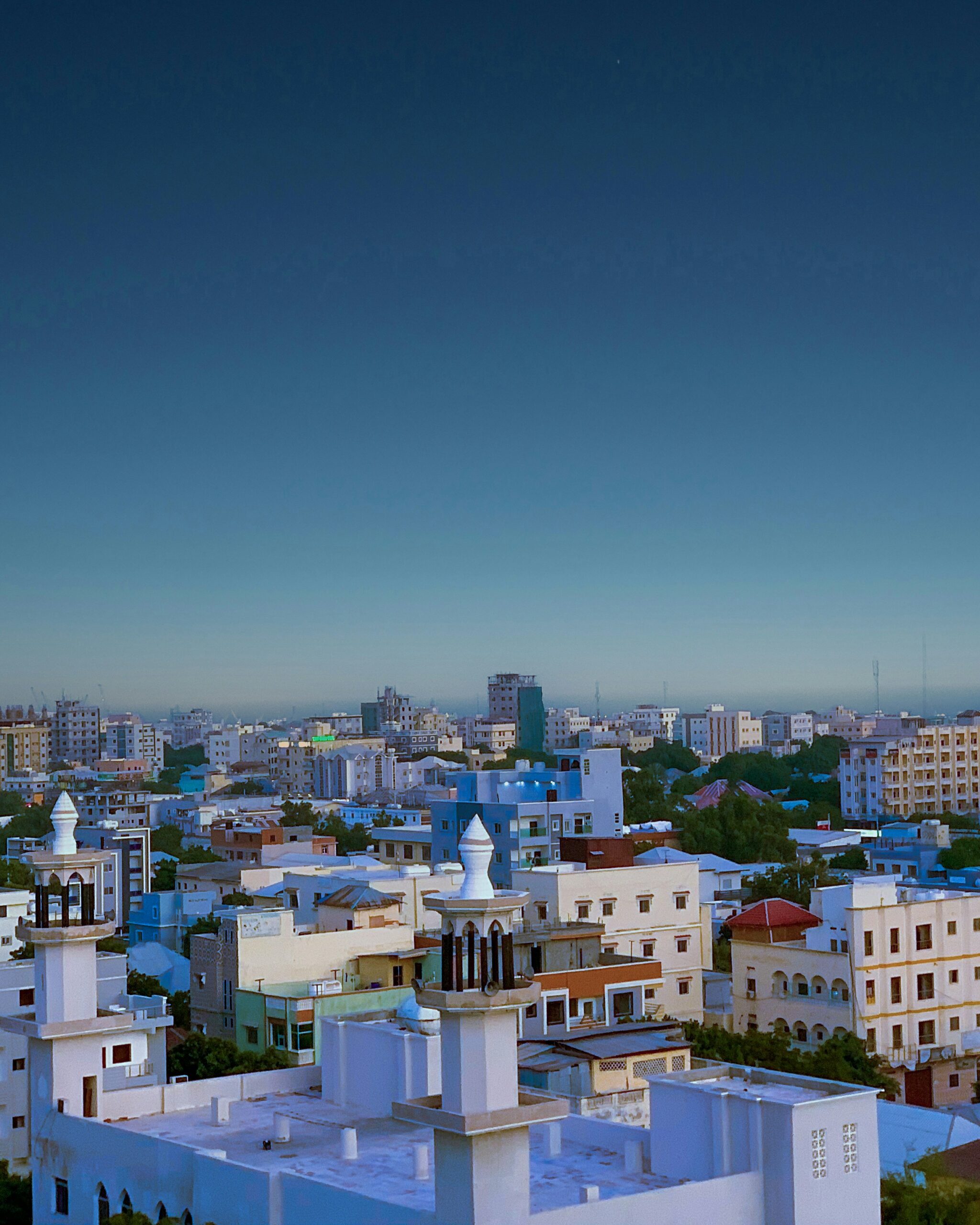
Lasting peace in Somalia requires addressing social grievances, healing past conflicts, and establishing a robust justice system, in addition to political reconciliation initiatives, writes Farhia Mohamud.
After Kenya’s independence from Britain in 1963, Jomo Kenyatta became the first prime minister and later president of the country from 1963 until his death in 1978. Kenyatta’s administration was dominated by Kikuyus, his own ethnic group, who also dominated the military and public administration.
On 21 November 1949, the United Nations General Assembly passed Resolution 289 V, calling for the unification and independence of Libya by 1 January 1952. The resolution comprised of a transitional period involving the United Nations Commissioner and the Council of Ten, including one representative from each province, one representative for Libyan minorities, and one...