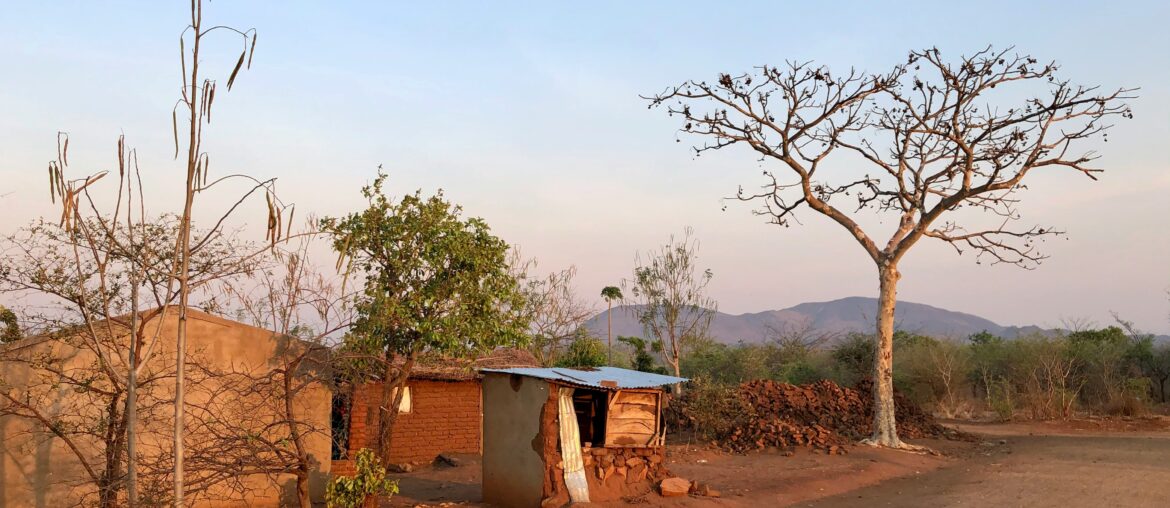
Environmental restorative justice and epistemic justice are key to integrating ideas of transitional justice and restorative practices to tackle environmental harms and climate change in Africa, writes Saniah Matengu.
Securing peace in Tigray requires a return to the core promises of Ethiopia’s transitional justice policy, namely restoring displaced communities, ensuring accountability, ending foreign military presence, and fostering inclusive governance, writes Deborah Banketa.
Lasting peace in Somalia requires addressing social grievances, healing past conflicts, and establishing a robust justice system, in addition to political reconciliation initiatives, writes Farhia Mohamud.
Ring-fenced funding support and communities of practice are central to strengthening the media’s underestimated role in framing, refereeing and facilitating transitional justice in Africa, writes Makmid Kamara.
The strategies of civil society organisations that work closely with victims and survivors are key to the implementation and monitoring of transformative institutional reforms as part of transitional justice, writes Andrew Songa.
Measures like public education committees and youth and children’s units within truth commissions, casting witnesses as national educators, rethinking truth commission names, and country studies centres can better integrate education into transitional justice, writes Baba G. Jallow.
Women-led and gender-sensitive climate action is key to sustainable peace, political stability and greater socioeconomic equality in Africa, writes Mary Izobo.
The South African government bodies tasked with investigating and prosecuting apartheid-era political crimes must face closer public scrutiny and take stronger action to fast-track long-overdue justice for victims’ families and survivors, writes Katarzyna Zdunczyk.
Integrating a transitional justice approach into climate finance negotiations and provision can help rectify historical wrongs, ensure fair distribution of resources, and support vulnerable populations in adapting to and mitigating the impacts of climate change, writes Augustine Njamnshi.
To ensure the lasting well-being and active citizenship of Sudanese survivors of conflict, international, state and civil society actors must integrate mental health and psychosocial support interventions into humanitarian, peacebuilding and transitional justice efforts, writes Amina Mwaikambo.